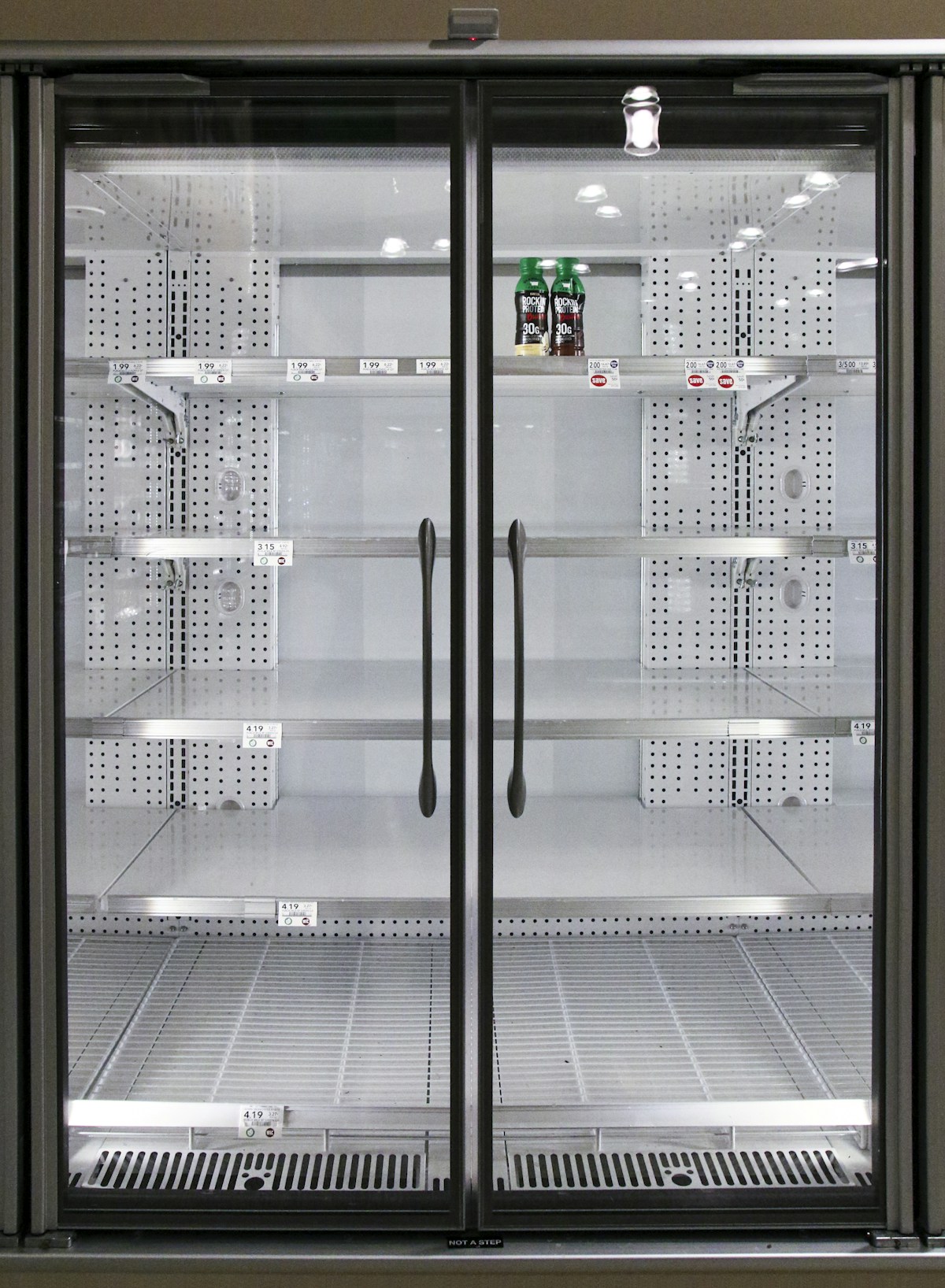
I once consulted on a 200-seat restaurant that had six reach-in coolers and no walk-in. Every morning, the chef spent 45 minutes loading and unloading product from delivery trucks into these units. The door openings were constant, temperatures fluctuated wildly, and food quality suffered. We ripped out half the reach-ins and installed a proper walk-in cooler. Problem solved.
The walk-in vs. reach-in decision affects your workflow, energy costs, food quality, and available space. Let me break it down.
When Walk-ins Make Sense
The Case for Walk-ins
- Volume: If you're receiving deliveries more than twice per week, walk-ins handle volume better.
- Storage duration: Walk-ins maintain more consistent temperatures over longer storage periods.
- Organization: You can actually walk in and see what you have. Reach-ins force you to open doors constantly.
- Energy efficiency: Walk-ins typically have larger, more efficient compressors and better insulation.
- Capacity: You can store bulk quantities, sheet pans, hotel pans—items that don't fit in reach-ins.
The Downsides
- Space: Requires dedicated floor space, typically 8x10 feet minimum for a small unit.
- Location: Must be located where you can receive deliveries, away from heat sources.
- Upfront cost: Walk-ins are significantly more expensive than reach-ins.
When Reach-ins Make Sense
The Case for Reach-ins
- Small operations: Under 50 seats with limited delivery volume.
- Staging: Reach-ins are perfect for line-cooking stations where you need quick access to frequently used items.
- Specialty storage: Wine refrigerators, proofing cabinets, specialized holding.
- Space constraints: Some kitchens simply don't have room for walk-ins.
- Flexibility: Easier to relocate if your operation moves.
The Hybrid Approach
In my experience, most operations benefit from BOTH:
- Walk-in: Primary storage for bulk deliveries, day-of/week-before prep items
- Reach-ins: Line stations for commonly used items (proteins, sauces, garnishes)
This hybrid approach keeps frequently accessed items within arm's reach while maintaining bulk storage capacity. It's the most common setup I specify for full-service restaurants.
Sizing Your Walk-in
Rule of thumb: You need approximately 0.5 cubic feet of walk-in storage per meal cover. A 100-seat restaurant needs roughly 50 cubic feet. But this varies dramatically based on:
- Menu complexity (more ingredients = more storage)
- Delivery frequency
- Whether you do significant prep in-house
- Menu variety and seasonal changes
Energy Considerations
Refrigeration typically accounts for 15-20% of a restaurant's energy use. Walk-ins are generally more efficient because:
- Larger compressors run more efficiently than multiple small ones
- Better insulation in prefabricated walk-ins
- Fewer door openings (one large door vs. multiple reach-in doors)
But this depends heavily on usage patterns. A walk-in that's constantly being opened and closed can use more energy than properly managed reach-ins.
Location Matters
Where you place your walk-in affects performance significantly:
- Away from heat sources: Don't place next to ovens, dishwashers, or hot water tanks
- Proper clearance: Need space behind for compressor and condenser access
- Drainage: Walk-ins need floor drains or condensate pumps
- Delivery access: Can you get product from the delivery area to the walk-in easily?
Maintenance Reality
Walk-in condensers need regular cleaning—dust and grease dramatically reduce efficiency. I recommend monthly condenser cleaning as part of standard maintenance. Also, walk-in door gaskets need regular inspection and replacement. A worn gasket on a walk-in can cost you hundreds in energy over its lifespan.
Related Articles