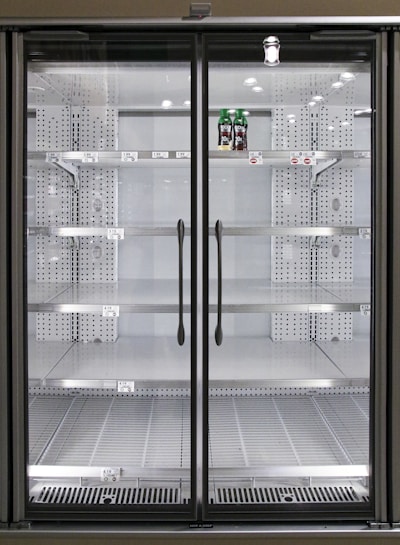
A restaurant owner called me at 11 PM on a Saturday. The walk-in compressor had failed. They had $8,000 worth of product inside. The emergency repair cost $3,500. If they'd followed a simple maintenance schedule, this would have been caught two weeks earlier during a routine inspection—when the compressor was showing early signs of failure—and fixed for $400.
The True Cost of Neglect
Emergency equipment failures cost, on average, 5-10 times more than preventive maintenance. Add in lost revenue from kitchen shutdowns, food loss, and staff disruption, and the math is clear. Yet I walk into operations daily where equipment maintenance is "when something breaks."
The Schedule That Works
Daily Maintenance (5-10 minutes)
- Visual inspection: Look for obvious issues, unusual sounds, leaks
- Clean between: Wipe down equipment surfaces, empty grease cups
- Check temperatures: Walk-in cooler/freezer temps, hot-holding temps
- Dishwasher: Check soap levels, wash arms, interior spray
Weekly Maintenance (30-60 minutes)
- Deep clean: Equipment gaskets, hard-to-reach areas
- Filter cleaning: Fryer filters, ventilation filters
- Ice machine: Wipe down exterior, check for scaling
- Gas connections: Visual inspection for leaks or damage
Monthly Maintenance (2-3 hours)
- Condenser cleaning: Walk-in and reach-in condensers accumulate dust
- Gasket inspection: Replace any cracked or hardening gaskets
- Equipment calibration: Temperature probes, timers, thermostats
- Deep descale: Coffee equipment, steam equipment, ice machines
Quarterly Maintenance (Professional)
- Fire suppression inspection: Required by code
- Exhaust system cleaning: NFPA 96 compliance
- Gas line inspection: By licensed gas technician
- Ventilation assessment: CFM verification, belt replacement
Creating Your Maintenance Program
Documentation is critical. Create a maintenance log for each piece of major equipment:
- Equipment name and location
- Model and serial numbers
- Installation date
- Maintenance history
- Next service due
Keep these logs in a central binder or digital system. When I inspect a kitchen and see organized maintenance records, I know the operation takes quality seriously.
Staff Training
Daily maintenance should be part of every shift. Train your team to:
- Recognize early warning signs of equipment problems
- Perform basic cleaning and maintenance tasks
- Know when to call for professional service
- Document issues immediately
Related Articles